

Throughout the coronavirus pandemic, the NHS was undoubtedly the lionhearted hero leading the battle against our invisible enemy. Frontline clinical staff have rightfully been saluted for their undeniable dedication and bravery during such harrowing circumstances.
However, during the crisis, unique clinical challenges led to difficult medical decisions. From a legal perspective, now the dust has settled, we have begun to reflect on poor patient outcomes and medical negligence during COVID-19.
In this article, Managing Director Caroline Moore reflects on the adverse effects arising from the ways the NHS was forced to adapt throughout 2020–23.
How COVID Affected Medical Negligence Claims
The coronavirus public inquiry has found that more than 200,000 people died from COVID, either directly or indirectly, between January 2020 and June 2022 in the UK. But some leading causes of excess deaths (those above the expected number) during this time period were driven by other factors, including flu and pressure on the NHS.
COVID inevitably intensified the burden on our treasured health service, which was already overstretched and buckling under the strain. Staff shortages, complex causation and the Coronavirus Act 2020 have all contributed to changes to the pursuit of clinical negligence claims in the last few years.
Complex causation
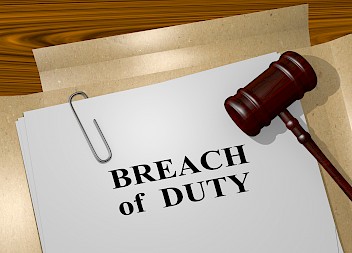
To succeed, medical negligence claims must establish that there was negligence (breach of duty) and that the negligence caused the injury (causation). The Bolam Principle can help identify a breach of duty, holding that the actions of the healthcare professional in question are compared only to the care one would expect of a responsible body in the same discipline. For example, a junior doctor would not be expected to have the same skill and knowledge as an experienced consultant.
However, staff shortages have muddied the waters around breach of duty. While demand rose for intensive care and inpatient resources during COVID, the number of NHS frontline staff did not. Medical professionals were pulled from pillar to post, often working beyond their specialisms. So, if a gastroenterologist (rather than a respiratory expert) treated a patient with COVID and medical negligence occurred, the Bolam Principle may be unable to identify a responsible body. Rather, this will be for the Courts to assess on a case-by-case basis.
It is also worth mentioning that, to alleviate the strain, the NHS deployed final-year medical students, retired clinicians and those who had left the profession. To this end, it is uncertain how many patients were treated by staff whose training was unfinished or outdated, potentially resulting in inadequate care.
Coronavirus Act 2020
The Coronavirus Act 2020 granted the UK government emergency powers to manage the pandemic and seems to have predicted a rise in medical negligence during the pandemic, since clauses 10–12 agree to provide additional indemnity coverage for clinical negligence liabilities arising from the outbreak and the special healthcare agreements that altered the workings of our healthcare system.
This was in conjunction with NHS Resolution’s Clinical Negligence Scheme for Coronavirus, which covered clinical negligence liabilities arising from special healthcare arrangements during the pandemic. Under the scheme, the government agreed to pay compensation in place of the NHS, to account for the fact that the clinician responsible may have been working beyond their usual scope.
To put this legislation into a financial context, the National Audit Office has reported that the cost of settling clinical negligence claims has more than tripled in the last two decades. Pre-COVID, NHS Resolution stated that the healthcare service had incurred a ‘cost of harm’ of £9 billion in 2018/19 alone.
Lasting Impact of the COVID Pandemic
We continue to expect most negligence claims to arise in the context of broader clinical decision-making, since general health concerns in non-COVID patients were deemed a lower priority and primary care services were therefore suspended and non-urgent operations were postponed. Reduced referral rates, delayed diagnostic testing and delayed cancer treatment are seen to have contributed to medical negligence during COVID.
Reduced referral rate
One of the most persistent issues stems from the dramatic drop in referrals during lockdown periods, when millions of primary care visits were deferred due to patients staying away for fear of infection or further burdening the NHS.
Data from the Royal College of General Practitioners shows that in-person appointments dropped from 70% to 30% between the pandemic starting and mid-2021. However, without face-to-face examinations, an adequate diagnosis and subsequent referral cannot always be made.
When patients eventually re-entered the healthcare system, some of their conditions had advanced significantly, requiring far more invasive and complex interventions. In negligence claims, Courts and legal teams are now set to weigh whether delayed or non-existence referrals were caused by system-wide disruption or specific clinical oversights.
Delayed diagnostic testing
The lingering impact of delayed diagnostic testing, including MRI scans, endoscopies and routine cancer screenings, is severe. Backlogs, staff shortages and suspended testing programmes during the peak of the pandemic led to unprecedented wait times.
Those with serious illnesses unrelated to coronavirus were neglected, and life-threatening diseases went undetected. Many people did not receive emergency care for heart attacks and strokes, while others had diagnoses delayed for chronic conditions.
For time-critical illnesses, a delay of even a few months can alter a patient’s prognosis and turn a manageable condition into a life-altering or terminal diagnosis. As a result, diagnostic delay has become a primary driver of post-pandemic medical negligence claims.
Delayed cancer treatment
Cancer services also suffered a huge blow, with contemporary data having predicted up to 35,000 excess deaths from cancer within a year.
The BBC Panorama documentary Britain’s Cancer Crisis from July 2020 found that around 2.5 million people were affected by the government’s guidance to suspend all cancer services during the pandemic. This includes chemotherapy, radiotherapy and drug trial services, with wait times at an all-time high. However, as the investigation showed, cancer can devastate lives if left untreated for just a few months.
- A 31-year-old mother with stage four bowel cancer died after she was told she could afford to take a 12-week break from chemotherapy to protect her from catching coronavirus during treatment. She challenged this and, as a compromise, was offered a blood test halfway through this period to monitor her condition. The woman died before this could happen.
- One man told how he went to A&E 13 times with persistent groin pain and pushed for a scan, but was told there was a two-month wait. By the time he was given a scan, a 14cm tumour was found in his pelvis, too large to remove. At the time of the documentary, his prognosis was three to 12 months to live, which could have been extended if the cancer was found when he originally sought medical help.
- Another lady faced the decision to pay privately, to the tune of £250,000, to continue a successful clinical trial she had received on the NHS before COVID. Because it would be such a complex procedure, the NHS said they simply did not have enough staff to cover this.
These situations are not unique, and the effects caused by cutting back on ‘less critical’ or ‘non-urgent’ care have already begun to ricochet through our healthcare service and society.
Should Doctors Be Exempt from Medical Negligence Claims?
The Medical Defence Union called for medical professionals to be granted immunity from coronavirus-related medical negligence claims, insinuating that any compensation awarded would drain NHS resources and British taxpayers. The union also stated: “It should not be underestimated how distressing allegations of clinical negligence are for doctors."
Hiding mistakes behind COVID is dangerous, however, and could set a precedent to lower clinical standards indefinitely. It also mocks the justice system, as the judiciary is charged with adjudicating cases challenging clinical decision-making. Courts should be trusted to deal with these claims fairly, while considering both the unprecedented clinical challenges faced by NHS staff and the rights of vulnerable victims of healthcare errors.
How to Bring a Claim for Medical Negligence During the Pandemic
When our clients choose to sue the NHS, they do not make the decision lightly. They know that compensation is not a lottery win, but rather based on the treatment, therapy or rehabilitation they may need due to improper care they received. We also advise our clients that recovered costs do not detract from the sum used to pay for other people’s treatment; the NHS sets money aside specifically for claims.
You are entitled to compensation if you have suffered medical negligence during COVID, and Medical Solicitors can help you claim it. Managing Director Caroline Moore has been a qualified solicitor for over 30 years and has specialised in medical cases for 18 years. She and the rest of our team are here to support you through the civil matters of the medical complaints process.
Given that the pandemic did not pause the 3-year time limit on bringing claims, you should not delay in seeking legal advice for addressing substandard healthcare. If you need support or guidance regarding medical negligence claims arising from COVID healthcare delays, please contact us today.
Please note: This is an updated version of an article from 16 February 2021, which is available for download as a PDF.