


For many patients, finally receiving a long-awaited operation can come as a relief. Increasingly, however, NHS patients are being treated not in NHS hospitals, but in private healthcare facilities as part of efforts to reduce waiting lists and improve access to routine procedures.
While many patients receive good care in these settings, our firm is seeing a growing number of enquiries from individuals who say they experienced poor treatment, delays in recognising complications, inadequate aftercare, or confusion about who was responsible for their care after something went wrong.
As NHS-funded treatment continues to be delivered through private providers, it is important for patients to understand how these arrangements work, the potential risks involved, and the legal rights they have if standards of care fall below what is reasonably expected.
Why Are NHS Patients Being Treated in Private Hospitals?
In recent years, NHS waiting list pressures have led to greater use of independent healthcare providers to carry out routine procedures such as:
- Orthopaedic surgery
- Cataract operations
- Hernia repairs
- Gynaecological procedures
- Other planned elective treatments.
In January 2025, the government announced a partnership between the NHS and the independent healthcare sector as part of their Elective Care Reform Plan. The deal was devised with the aim of cutting overall NHS waiting times down to 18 weeks.
Patients who require elective surgery are often outsourced to private hospitals under NHS-funded arrangements, meaning the treatment is still paid for by the NHS even though it takes place in a privately operated facility.
For many people, the process appears seamless. They may assume they are simply being treated through the NHS in a different building – often with seemingly nicer facilities and food! However, the reality can sometimes be more complicated.
The Issue of Fragmented Care
One of the most significant concerns in this outsourced healthcare arrangements is fragmentation of care.
Continuity of care between providers can become broken when different organisations, staffing arrangements and systems are involved in delivering private-based treatment. Consultants may work across multiple organisations, they may be supported by agency or temporary staff, and there can be poor communication between NHS and private settings.
This can create uncertainty when complications arise about who is accountable as a patient’s treatment journey may involve multiple people or organisations, from an NHS referral, to a self-employed surgeon working with a private hospital, with external diagnostic providers and NHS follow-up services after discharge.
Where communication between those organisations is poor, opportunities for mistakes can arise. For example, warning signs of complications may be missed or discharge summaries may not reach GPs quickly enough.
Our firm is increasingly hearing from patients who describe problems such as a lack of informed consent before surgery or mandatory pre-surgical checks and investigations not being carried out.
We have had clients who experienced delays in recognising post-operative complications such as perforations of organs or infections, as well as delayed referrals or transfers to NHS emergency care. One very sad case resulted in the death of a mother after a routine hysterectomy at a private hospital owing to multiple errors with post-surgical monitoring as well as lack of proper equipment.
Others have expressed concerns about inadequate discharge advice or lack of appropriate follow-up treatment.
In some cases, patients reported having felt unsure about who to contact when problems arose. Others say their concerns were dismissed or that responsibility appeared to pass between the private provider, consultant and NHS services.
These situations can be particularly distressing for patients who believed they were receiving fully integrated NHS care.
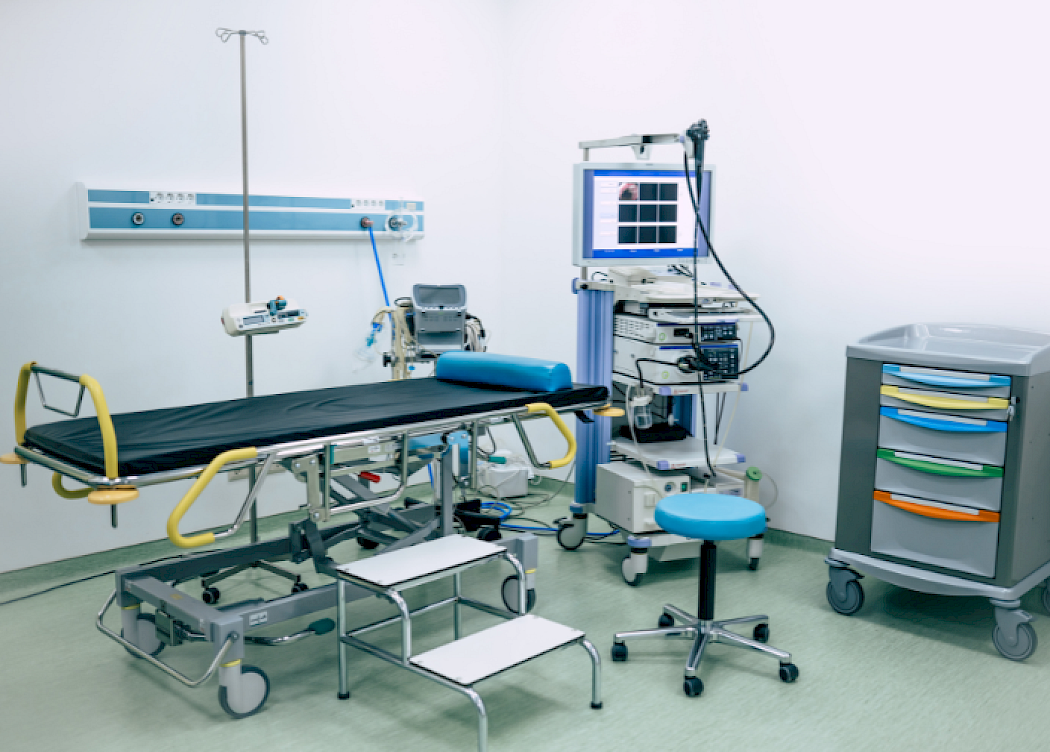
Does Private Hospital Treatment Carry Different Risks?
Private hospitals can and often do provide high-quality care. However, some patients are unaware that private facilities may operate differently from large NHS acute hospitals. Private care does not automatically mean care will be safer or better.
Many private hospitals are designed primarily for planned, lower-risk procedures rather than complex emergency care. They often do not operate full emergency departments, so deteriorating patients may require urgent transfer to NHS hospitals.
Some private hospitals we have encountered have not had basic equipment to deal with emergencies, including blood stock and imaging facilities.
In some cases, overnight medical cover may be more limited, with consultants on-call at home while nursing or junior staff man the wards.
This does not mean private hospitals are inherently unsafe. However, it does mean patients may face different practical risks, particularly if complications develop after surgery or following discharge.
Inadequate post-operative monitoring, delayed escalation and delays in diagnosis and treatment when complications arise can lead to serious avoidable harm and tragic consequences.
Examples of Medical Negligence Claims for Private Hospital Treatment
These are some cases that our experienced medical negligence lawyers have handled or are currently investigating relating to clients who were treated as NHS patients in private healthcare facilities and experienced medical negligence.
Case Example: Woman Died After Routine NHS Hysterectomy at Private Hospital
This is perhaps one of the most tragic outcomes we have seen regarding NHS patients being treated in private hospitals.
Our client’s wife died six days after undergoing a hysterectomy at Kinvara Hospital in Rotherham; she had suffered major internal bleeding following surgery that was not identified and acted upon by the private hospital.
The NHS outsoured the surgery to the private hospital to cur waiting lists and speed up treatment. During the night following hysterectomy, our client's wife's condition deterioated due to major internal bleeding at the site of the hysterectom and she suffered cardiac arrest.
She was transferred to the nearby NHS hospital where she underwent emergency surgery to stop the bleeding and was admitted to intensive care. Sadly, she died six days later.
At the Inquest into her death, the coroner found that neglect contributed to her death. There were multiple missed opportunities by the resident medical officer and consultant surgeon to ensure basic checks were made and recognise her deteriorating condition and risk of internal bleeding whicjh were gross failures by both doctors.
The resident medical officer had been on shift for 24 hours and the consultant was on-call at home. The coroner found tha the delay by the junior doctor in escalating to the consultant was a gross failure. Inadequate communication between the two meant that the risk of internal bleeding was not identified. The coroner found that the failure to transfer to the NHS hospital for scanning and/or surgery when there was no means for dealing with an emergency situation at Kinvara Hospital was a gross failure to provide basic medical care.
The Inquest highlighted how the private hospital was not equipped to deal with emergencies like this. They had no HemoCue diagnostic device to measure haemoglobin, no ultrasound machines or other imaging facilities to diagnose the internal bleeding, and no blood fridge or units of blood for a transfusion.
This case is still being litigated by our director Christine Brown who has been supporting the family with a medical negligence claim against the private hospital and doctors involved in the care.
Case Example: Woman Left with Nerve Damage After Spinal Surgery at Private Hospital
This client was a woman in her 70s who has been left with permanent mobility problems following spinal surgery carried out at a private hospital as part of her NHS treatment.
The patient had experienced severe back pain for many years and had previously taken early retirement because of her condition. Her symptoms had become debilitating and she was advised that spinal fusion surgery was her only treatment option.
During the operation, which took place at a private hospital in Yorkshire, a screw used to stabilise the spine was misplaced and driven into surrounding soft tissue before becoming detached from surgical equipment. During attempts to retrieve and reposition the screw, nerves in the lower spine were damaged.
After surgery, the patient was informed that there had been a complication and that she may have suffered nerve damage, although she was not given full details at the time.
She was left with significant weakness, reduced mobility and long-term walking difficulties. After being discharged in a wheelchair, she required assistance with everyday activities and adaptations to her home, including a downstairs toilet and shower room.
During the legal case, concerns were raised about the placement of the spinal screw and the handling of the complication during surgery. It was also alleged that radiological images taken during the operation, which may have shown the positioning of the screw, were never disclosed.
This case was handled by our director, Matthew Brown, who achieved a settlement for his client of £115,000 from the private hospital.

Case Example: Questions Raised Over Mesh Surgery at a Private Hospital
This client was a man in his 60s who underwent mesh rectopexy treatment at a private hospital for pelvic floor problems and difficulty emptying his bowels.
He was advised to undergo a laparoscopic ventral mesh rectopexy (LVMR), a procedure involving surgical mesh to treat rectal prolapse. According to later investigations, an important diagnostic test known as a proctogram was not carried out before surgery, despite the complexity of his condition.
Following the operation, he developed severe pain affecting his pelvis, legs and feet, particularly around bowel movements. He was initially reassured that the symptoms were part of the normal healing process or related to positioning during surgery. However, the pain persisted and gradually worsened, eventually spreading to other parts of his body.
Over time, he sought opinions from multiple private specialists and underwent scans and pain management treatments, but no clear explanation for his symptoms was identified. He continued to experience chronic pain and significant difficulty emptying his bowels.
The private hospital later issued Duty of Candour letters acknowledging concerns about the decision-making process leading to surgery. The hospital accepted that, given the complexity of the case, further pre-operative investigation should have been carried out before proceeding.
It was ultimately concluded that the patient had suffered harm because the surgery was undertaken without adequate diagnostic assessment and with an uncertain clinical indication.
His solicitor, Sarah Johnson from our York office, secured a settlement of £55,000 from the private hospital.
Case Example: Woman Left with Permanent Bladder Issues after Endometriosis Surgery at Private Hospital
This client was a woman in her early 30s who suffered permanent bladder problems following surgery for endometriosis carried out at a private hospital.
The patient underwent keyhole surgery to treat chronic endometriosis, during which surgeons used electrical heat treatment to destroy areas of endometrial tissue.
Although she signed a consent form before surgery, it was later alleged that she had not been properly warned about important risks associated with the procedure, including the possibility of damage to the ureter - the tube connecting the kidney to the bladder.
Following the operation, she experienced severe abdominal pain, nausea and tingling sensations in her legs. Initially, she was reassured that the symptoms were likely related to pain management issues. However, after returning to the private hospital several times, further investigations revealed that her kidney had become swollen and that her ureter had likely been damaged during surgery.
The injury required urgent treatment and led to a series of further procedures over the following years. She initially required a nephrostomy tube to drain her kidney, followed by reconstructive surgery to reimplant the ureter.
Despite corrective treatment, she was left with long-term bladder dysfunction, including painful bladder spasms, urinary urgency and frequent urination. She now requires ongoing medication and regular Botox injections into the bladder to manage her symptoms and remains at risk of further complications, including recurrent infections and the possible need for self-catheterisation.
During the legal claim, it was alleged that the surgeon failed to take adequate steps to identify and protect the ureter during surgery and failed to obtain fully informed consent regarding the risks involved.
Her solicitor, Sarah Johnson from our York office, negotiated a settlement of £200,000 from the private hospital.

Who Is Responsible if Something Goes Wrong?
One of the biggest areas of confusion for patients is understanding who is legally responsible for their treatment.
Many assume that because the NHS arranged or funded the procedure, the NHS alone is accountable. In reality, liability can be more complex.
Depending on the circumstances, responsibility may potentially rest with the private hospital, the consultant surgeon, an anaesthetist, an NHS trust, or more than one organisation or individual.
Determining who owed a duty of care — and whether that duty was breached — often requires careful investigation of the medical records, referral arrangements and contractual relationships.
This complexity should not discourage patients from seeking advice. A specialist medical negligence solicitor can investigate the circumstances and identify which parties may be legally responsible.
Patients Still Have Important Legal Rights
Whether treatment takes place in an NHS hospital or a private facility, patients are entitled to care that meets a reasonable professional standard.
Healthcare providers owe duties including:
- Carrying out treatment competently to a reasonable standard
- Properly assessing risks
- Obtaining informed consent which includes discussing alternative treatment options
- Responding appropriately to complications within a reasonable timeframe
- Ensuring suitable aftercare and follow-up arrangements.
Patients also have the right to request a copy of their medical records, make formal complaints, seek independent medical opinions and pursue compensation if negligent treatment has caused injury or avoidable harm.
Importantly, patients should not assume that because treatment was NHS-funded, they cannot bring a claim against a private provider if negligent care occurred.
The Importance of Informed Consent
Patients undergoing treatment in private hospitals should also receive clear information about the risks and benefits of surgery, available alternative treatment options, what emergency support is available and who will provide aftercare.
Consent is not simply a signature on a form. Patients should be given enough information to make a properly informed decision about treatment.
Where important risks are not explained, or where patients are not told relevant information that may have affected their decision-making, legal issues can arise.

What Should Patients Do if They Are Concerned About Their Care?
If you are worried that poor treatment may have caused harm, it is important to act promptly.
Practical steps may include:
- Seeking medical attention for ongoing symptoms
- Requesting a copy of medical records
- Keeping a timeline of events,
- Retaining photographs or correspondence where relevant
- Obtaining specialist legal advice and/or considering a complaint.
Medical negligence claims are subject to the three-year limitation period, so early advice is important. However, if a case is close to expiring the time limit, we may still be able to help you pursue a claim.
The increasing use of private hospitals to provide NHS-funded treatment reflects the growing pressure facing the healthcare system. Many patients receive safe and effective care through these arrangements. However, as healthcare delivery becomes more complex, patients should understand that treatment outside a traditional NHS setting can sometimes create additional risks and uncertainty.
Where standards of care fall below what is reasonably expected, patients have the right to ask questions, seek answers and pursue legal remedies where appropriate.
Understanding who was responsible for your care — and whether failures could have been avoided — is often the first step towards obtaining accountability and support after a difficult medical experience.
If you were referred to a private hospital for NHS treatment and experienced poor care that you believe led to injury or harm, get in touch with our specialist medical negligence team to see if you may have a case for claiming compensation. We work on a no win, no fee basis and, following an initial enquiry, will look into your medical records, gain expert opinion and advise whether you have grounds for legal action.