

A woman in her early 30s who has been left with permanent bladder issues after her ureter was damaged during surgery to treat endometriosis has been awarded £200,000 compensation in a medical negligence claim.
Following the surgery, the claimant ‘C’ now suffers with painful bladder spasms and an overactive bowel that must now be treated with regular Botox injections and medication.
She sought the help of specialist medical negligence solicitor, Sarah Johnson, to pursue a medical negligence claim against the private hospital where she underwent the surgery.
Case summary
In October 2020, C, then just shy of her 28th birthday, underwent surgery at a private hospital to treat her chronic endometriosis, a painful condition in which tissue similar to the lining of the womb grows elsewhere in the pelvis.
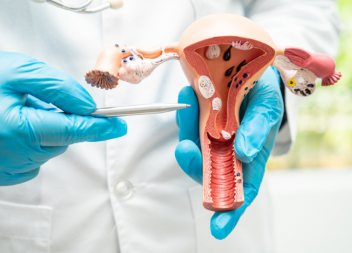
She had diathermy fulguration via keyhole surgery. This is where surgeons use electrically-induced heat to burn off the endometrial tissue. For C, this was on her ovaries and the rectouterine pouch.
Although she signed a consent form before surgery, the detailed information about potential risks – including ureter injury - was not provided at the time.
Following the surgery, C began to experience severe lower abdominal pain, nausea and tingling sensations down her legs. She was initially told that this was likely due to inadequate pain medication.
After returning to the private hospital multiple times, further investigations were done where a CT scan showed a swollen kidney. It was suspected that her right ureter — the tube connecting the kidney to the bladder — had been damaged during the diathermy.
This injury required urgent intervention and set off a cascade of medical complications over the following years.
C first required a nephrostomy tube to drain her kidney, followed by surgery to reimplant the ureter. Even after corrective surgery, she suffered permanent bladder overactivity, experiencing painful spasms, frequent urination and urgency.
She required ongoing medication and intravesical Botox injections every six months. Despite these treatments, she continues to face a risk of needing intermittent self-catheterisation and urinary tract infections.
The impact on her daily life extended beyond her physical health. C experienced significant anxiety and depression, requiring long-term counselling and therapy to cope with the psychological effects of her prolonged recovery. Her recovery also affected her ability to work and participate fully in normal activities.
Litigation
C brought a claim against the private hospital, alleging that her surgeon had been negligent, failed to warn her of the risk, failed to obtain full informed consent, and failed to take sufficient steps during surgery to identify and protect her ureter before using diathermy.
The hospital initially denied liability, arguing that some of C’s ongoing bladder issues could have been caused by a later hysterectomy. However, expert evidence supported C’s claim that her bladder problems were a direct consequence of the ureter injury during the endometriosis surgery.
Following negotiations, C accepted a settlement of £200,000, plus reimbursement of benefits she had received during her recovery.