

Bringing Birth Injury Compensation Claims
Of course, doctors and midwives aim to ensure both mother and baby are in perfect health; this is their chosen career pathway and most deliveries have positive outcomes. However, tragically there are still far too many cases where mistakes occur - often through staff shortages or unwise decision-making - which can lead to serious complications and in, some cases, result in grounds for a birth injury compensation claim.
If you or your baby have received poor medical care before, during, or shortly after delivery at the hands of professionals, our team can help you make a compensation claim.
Common Birth Injury and Pregnancy Negligence Claims
Here are some of the most common cases our medical negligence solicitors handle:
- Substandard care: Poor medical care can harm both mother and baby, such as severe tears during delivery causing long-term complications.
- Failure to fully advise about birth options: Doctors must provide informed consent, explaining risks and alternatives (as reinforced by the Montgomery case, 2015). Large babies, for example, may result in complications like Erb’s Palsy.
-
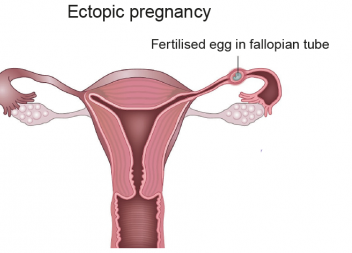
Ectopic pregnancy: Developing an ectopic pregnancy is a very dangerous condition for the mother, with the pregnancy developing outside of the womb. Without proper care, this can lead to problems with fertility or even death.
-
Severe morning sickness (hyperemesis gravidarum): Untreated cases may cause permanent disability and affect birthweight, a risk factor for cerebral palsy.
-
Wrongful birth: Failing to advise the mother early in pregnancy about probable disabilities in the developing pregnancy
Screening is available for many different conditions, and the mother must be kept informed of any developments or conditions that are likely to develop later in the pregnancy. Failing to do so denies them the opportunity to be supported through an early termination.While most parents would consider any child as a blessing, the reality is that the financial and emotional toll of parenting a disabled child is much higher than raising a healthy child. These claims are referred to as unwanted pregnancy claims.
-
Sterilisation or vasectomy failures: Where the advice given in relation to a sterilisation or vasectomy procedure is inappropriate or insufficient, or if a patient has received substandard medical care before, during or after the procedure, there may be a case for a pregnancy negligence claim.
-
Low birthweight: is a risk factor for cerebral palsy, which is the most common cause of disability in early childhood.
Other examples include:
- Excessive delays in providing a mother (or their infant) with treatment in pregnancy, labour and delivery
- Failures to call for medical review by midwives
- Failures to alert the consultants or the paediatric team in good time
- Failure to recognise signs of distress in babies during long labours
- Failure to recognise signs of placental abruption, which causes absolute agony for the delivering mother and highly increases the chances of death or serious and permanent injury to babies if fast delivery does not happen.
Who Can Bring a Birth Injury Claim?
If you have suffered maternity negligence, whether through the action or inaction of a medical professional, you can bring a claim. You can also claim on behalf of:
- A child injured at birth where negligence resulted in their injury or disability
- Someone with reduced capacity who experienced maternity negligence
Landmark Development in 'Lost Years' Damages
From 2026, children harmed at birth can claim additional loss of earnings or pension for reduced life expectancy caused by medical negligence. This is called “lost years” damages but children have been prevented from claiming them since a Court of Appeal decision in 1982. This follows a Supreme Court ruling in favour of a child with severe cerebral palsy injured at birth.